by admin | Nov 1, 2024 | blog
Canine Comfort: Coats and Rugs for Every Pup
Don’t let chilly weather dampen your dog’s walks! Dog Coats and Rugs offer essential protection from the elements, keeping your furry friend warm, dry, and comfortable. Let’s explore the different types and their uses.
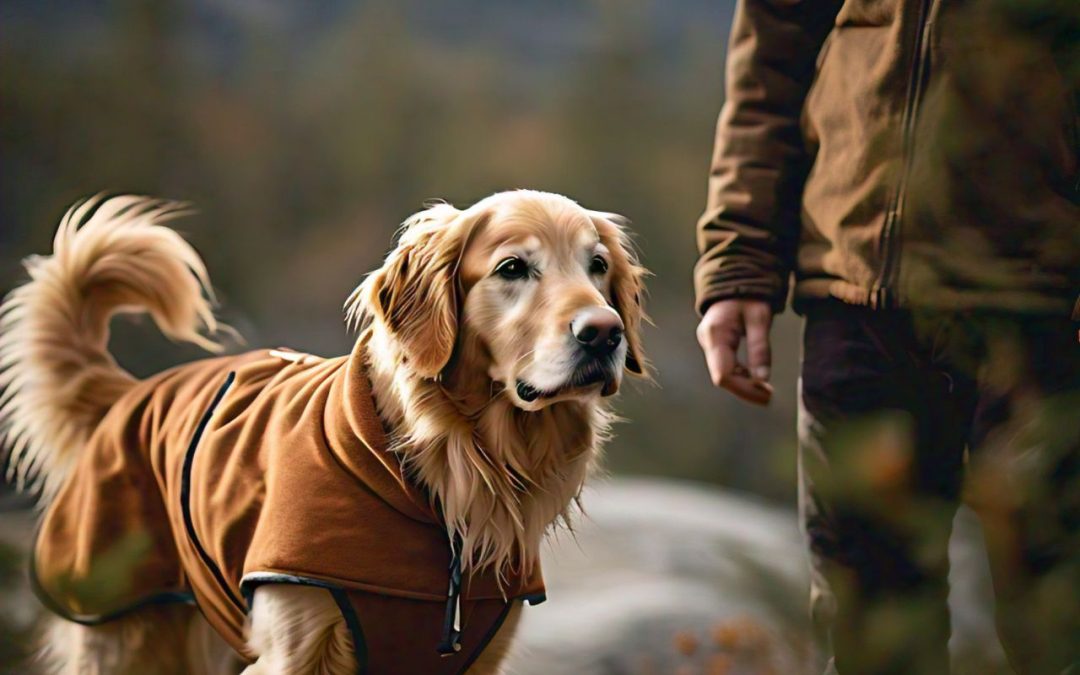
For chilly days, a winter dog coat provides a cozy shield against the cold. These coats come in various thicknesses and materials, with options like fleece, insulated fabrics, or even waterproof shells. Consider your dog’s breed and climate when choosing a coat – short-haired pups in snowy regions might need a thicker coat than their long-haired counterparts.
Rainy Day Protection
Walks in the rain are no match for a waterproof dog coat. These coats typically feature a water-resistant outer layer and a comfortable lining to keep your dog dry. Reflective details on some raincoats offer added visibility during low-light walks.
Breezy Base Layers
For cooler days that aren’t freezing, a lightweight fleece coat can be a perfect choice. These breathable layers provide warmth without overheating your dog. They’re also great for layering under a winter coat for extra protection during harsh winters.
Snuggle-Worthy Coats and Rugs
Beyond outdoor adventures, Dog Coats & Rugs provide a soft and comfortable spot for your pup to relax indoors. These cozy blankets come in various sizes and materials, perfect for draping over furniture or creating a dedicated sleeping area. Some rugs are even waterproof, ideal for protecting furniture from accidents.
A proper fit is crucial for a dog coat or rug. An ill-fitting coat can restrict movement and cause discomfort. Measure your dog’s chest, neck, and back length to ensure the chosen item offers a snug but comfortable fit.
Keeping Your Pup Happy & Healthy
Dog coats and rugs play a vital role in keeping your canine companion comfortable throughout the year. By choosing the right type and ensuring a good fit, you can ensure your dog enjoys their walks and stays cozy indoors, no matter the weather.
Key Features
- Reflective Design: Improves visibility for the safety of tedious activities that are normally conducted at night.
- Fleece Lining: Comfortable clothing item that ensures that the wearer feels warm, especially when the weather is extremely cold.
- Customized Fit: Appropriate for different kinds of dogs and their sizes to provide comfort.
- High-Quality Materials: This creates durability and also enhances the performance of the whole process as well as the end product.
- Stylish and Functional: Cuts through fashion and more functional for wear in our daily lives.
Do All Dogs Need Coats and Rugs?
Not all dogs require coats. However, short-haired breeds, senior dogs, and pups with health conditions might benefit from extra warmth during colder weather.
FAQ’S:
What type of coat should I get for my dog?
The ideal coat depends on your climate and activities. Opt for a winter coat for frigid temperatures, a rain coat for wet weather, and a fleece coat for cooler days.
How do I measure my dog for a coat?
Use a soft measuring tape to measure your dog’s chest girth, neck circumference, and back length. Ensure a snug but comfortable fit for optimal comfort.
Are dog rugs necessary?
Dog rugs provide a cozy spot for your pup to relax indoors. They also protect furniture and offer warmth during colder months. Choose a size and material that suits your dog’s needs.
How do I wash my dog’s coat or rug?
Washing instructions vary depending on the material. Check the care label and use gentle detergent suitable for pet items. Air dry whenever possible.
We are the wholesale manufacturer of all types of rider wear and rider accessories as well as horse tack apparel and accessories in wholesale with fully customization options. We are also dealing with Pet apparel and accessories.
Contact Our Experts
To Get Free Consultation or To Get Your Customized Order
Stay connected with us on social media for the latest updates and Reviews
Follow us for more insights and special offers….
by admin | Nov 1, 2024 | blog
English vs. Western Saddle Pads: Find the Perfect Fit Saddle Pad for Your Discipline
Saddle pads may seem like simple accessories, but they play a vital role in horse comfort and performance. Choosing the right pad depends on your riding discipline, with English and Western styles offering distinct features.
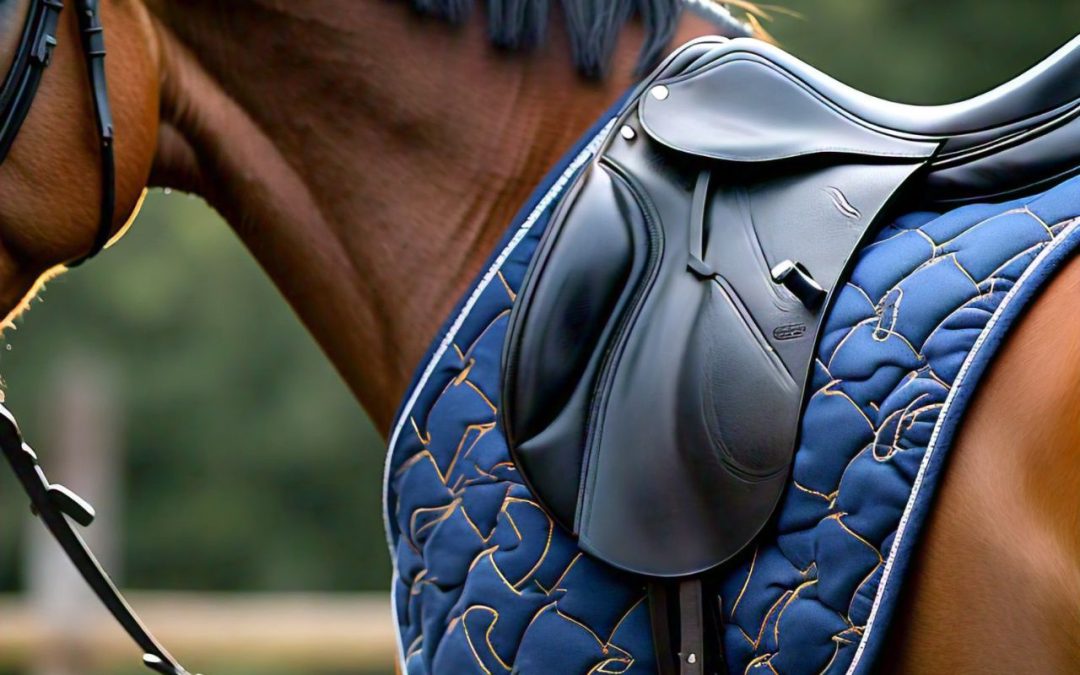
Designed for close contact with the horse, English pads are typically thin and lightweight. They come in various shapes, with contoured options offering a closer feel and square pads providing more general support. Materials like cotton or wool wick away sweat, keeping both horse and rider comfortable.
Western saddles are larger and heavier than English saddles, requiring thicker and more shock-absorbent pads. These pads are often made from felt or fleece and feature a square or rectangular shape. They distribute rider weight more evenly and offer additional protection for the horse’s back.
Matching Your Perfect Fit Saddle Pad to Your Discipline:
English Disciplines: For disciplines like dressage or jumping, where close contact and feel are important, a thin, contoured English pad is ideal.
Western Disciplines: For activities like trail riding, barrel racing, or roping, a thicker Western pad with greater shock absorption provides better comfort and protection for the horse’s back during strenuous activities.
Finding the Perfect Fit Saddle Pad:
Regardless of style, a good saddle pad should fit your saddle and not extend beyond its edges. It should be long enough to protect the horse’s back and wide enough to cover the entire underside of the saddle. Consider your horse’s conformation and any potential pressure points when choosing a pad.
Safety and Comfort First:
The right saddle pad ensures both rider comfort and horse well-being. By understanding the differences between English and Western styles and matching the pad to your riding discipline, you can create a comfortable and safe riding experience for you and your horse.
Comfortable and Supportive Fit Saddle Pads for Every Rider
Stylo Clothing offers high-quality Fit Saddle Pads designed to provide ultimate comfort and support for both you and your horse. Our saddle pads are crafted from premium materials such as memory foam, breathable fabrics, and cushioned padding to ensure a perfect fit under the saddle. These pads are designed to relieve pressure points, improve saddle fit, and enhance overall performance during rides, ensuring a smoother and more enjoyable experience for both rider and horse.
Customizable Fit Saddle Pads for Optimal Performance
At Stylo Clothing, we understand that every rider and horse has unique needs, which is why we offer customizable Fit Saddle Pads in various sizes, colors, and materials. Whether you need extra cushioning for your horse’s back or a sleek, stylish design, our saddle pads are adjustable and tailored for a perfect fit. With options for both everyday riding and competitions, our Fit Saddle Pads provide superior comfort, breathability, and stability, allowing you and your horse to perform at your best.
Wholesale Fit Saddle Pads for Equestrian Retailers and Trainers
As a trusted wholesale manufacturer, Stylo Clothing provides bulk order options for Fit Saddle Pads, making them an excellent choice for equestrian retailers, training centers, and riding schools. Designed for durability and long-term use, our saddle pads are easy to care for and maintain. With Stylo’s wholesale offerings, you can provide your clients with premium, customizable Fit Saddle Pads that ensure both performance and comfort for every ride.
We are the wholesale manufacturer of all types of rider wear and rider accessories as well as horse tack apparel and accessories in wholesale with fully customization options. We are also dealing with Pet apparel and accessories.
Contact Our Experts
To Get Free Consultation or To Get Your Customized Order
Stay connected with us on social media for the latest updates and Reviews
Follow us for more insights and special offers….
by admin | Jul 10, 2024 | blog
Himalayan Salt vs. Regular Salt for Horses: Does It Matter?
For horse owners, proper nutrition is a critical aspect of their equine care routine, and salt is an essential part of that diet. Salt provides horses with the sodium and chloride they need for maintaining hydration, nerve function, and muscle activity. Yet, the question often arises: is Himalayan salt better than regular table salt for horses, and if so, why? Let’s explore the differences, benefits, and considerations when choosing between Himalayan and regular salt for your horse.
Regular Salt: An Affordable Basic
1. Processing and Composition:
Regular table salt is heavily processed to produce a fine, white, crystalline product. This refinement process removes impurities, as well as most of the trace minerals naturally present in salt. During processing, minerals like calcium, potassium, and magnesium are stripped away, leaving pure sodium chloride. For horses, sodium chloride is the essential component, as it maintains electrolyte balance and supports basic physiological functions. However, table salt’s lack of additional minerals means it won’t supplement these micro nutrients.
2. Additives for Human Use:
Table salt generally includes anti-caking agents that prevent clumping. Additionally, it often contains iodine, a supplement added to address human dietary needs for thyroid health. While iodine is important for humans, it isn’t a major concern for horses, as they typically obtain iodine through their primary feed or supplemented mineral mixes.
3. Cost Efficiency:
For horse owners on a budget, regular salt is the most cost-effective option. It provides the necessary sodium chloride at a fraction of the cost of Himalayan salt, which is ideal for those managing expenses across multiple animals or large stables. This makes regular salt widely available, affordable, and practical for daily use.
Himalayan Salt: A Natural Alternative
1. Minimal Processing and Retained Minerals:
Himalayan pink salt, mined from ancient salt deposits primarily in Pakistan’s Punjab region, is typically less processed than table salt. It is available in larger crystals or blocks and undergoes minimal refinement, allowing it to retain trace minerals, including iron, calcium, magnesium, and potassium. These minerals give Himalayan salt its characteristic pink hue and are often marketed as beneficial “extras” for horses. However, it’s worth noting that these trace minerals are present in very small amounts, and while they add some nutritional variety, they do not drastically alter the salt’s overall nutritional value.
2. Aesthetic and Flavor Appeal:
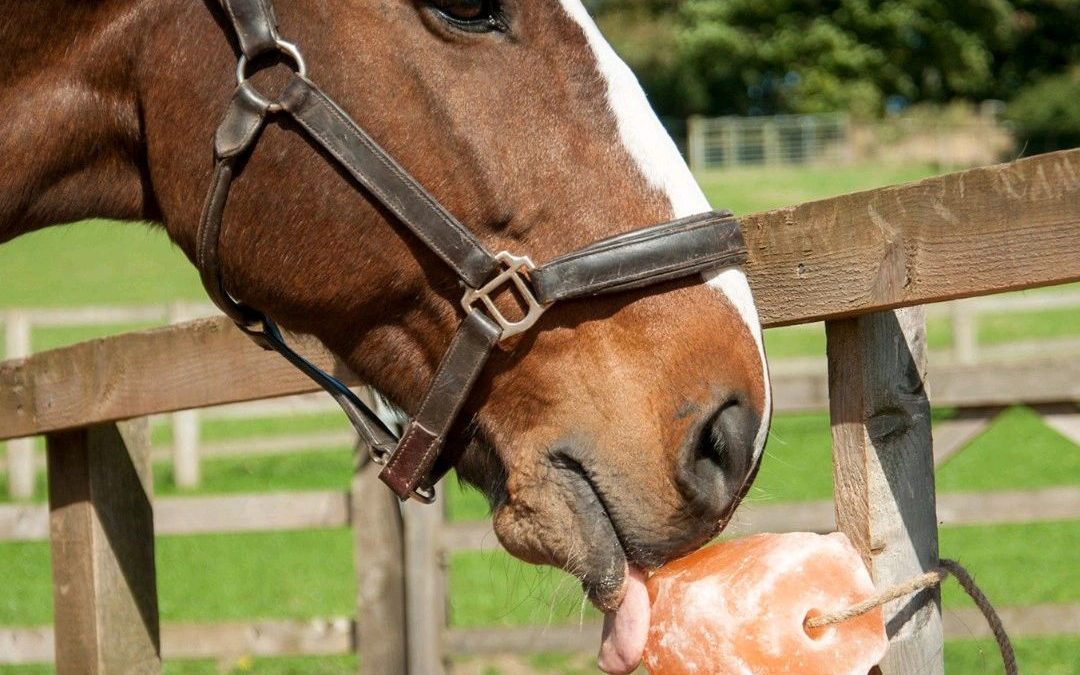
Some horses appear to enjoy the taste of Himalayan salt, perhaps due to its slightly different mineral content. This can make Himalayan salt a good option for horses that are picky eaters or those that tend to ignore other salt sources. Additionally, the pink hue can be aesthetically pleasing for owners who prefer a natural look. Himalayan salt often comes in the form of salt licks or larger blocks, which can be convenient for both outdoor and indoor environments.
3. Higher Price Point:
Himalayan salt is significantly more expensive than regular table salt due to the sourcing and minimal processing. For horse owners with a single horse or a small stable, this cost may be manageable, but it becomes more expensive as the number of horses increases. Owners who want to provide Himalayan salt should be aware that the cost doesn’t necessarily translate to a significantly higher nutritional benefit.
Nutritional Comparison: What Does Your Horse Need?
Both Himalayan and regular salt serve the primary purpose of supplying sodium chloride, an essential nutrient that horses need to balance their electrolytes. Sodium chloride is crucial for hydration, digestion, and muscle function, particularly for active horses. The trace minerals in Himalayan salt, while beneficial, are present in such small quantities that they offer little additional nutritional value. Horses generally fulfill their trace mineral needs through a balanced diet or mineral supplements, which are specifically formulated to ensure adequate intake of various nutrients.
Choosing the Right Salt for Your Horse: Key Considerations
When deciding which salt to provide, here are a few factors to consider:
- Horse’s Preference:
Each horse is unique, and some may develop a preference for Himalayan salt due to its subtle taste differences. If your horse is content consuming regular table salt, there is no necessity to switch. However, for picky eaters or horses that seem to dislike standard salt, Himalayan salt may encourage them to increase their salt intake, which is particularly useful for maintaining electrolyte balance.
- Budget Considerations:
For horse owners managing multiple animals or tight budgets, regular table salt is likely the most practical choice. It provides all the necessary sodium chloride at a lower price point, making it a sensible option for those with large herds or strict budgetary constraints.
- Mineral Supplementation:
If you’re concerned about your horse’s mineral intake, it’s best to consult a veterinarian. A balanced mineral supplement can provide more comprehensive mineral support than Himalayan salt alone, which only offers trace amounts of certain minerals. Relying solely on Himalayan salt for mineral intake is unlikely to meet all of your horse’s needs.
Ultimately, the choice between Himalayan salt and regular salt boils down to preference, budget, and practicality. While Himalayan salt offers a natural, minimally processed option with minor mineral variations, regular table salt is a cost-effective choice that fulfills all essential salt needs for horses. Consistent access to either type of salt is crucial for your horse’s health, particularly for electrolyte balance, hydration, and muscle function. Whether you choose Himalayan or regular salt, ensuring your horse has a reliable salt source is what truly matters.
We are the wholesale manufacturer of all types of rider wear and rider accessories as well as horse tack apparel and accessories in wholesale with fully customization options. We are also dealing with Pet apparel and accessories.
Contact Our Experts
To Get Free Consultation or To Get Your Customized Order
Stay connected with us on social media for the latest updates and Reviews
Follow us for more insights and special offers….
by admin | Jun 29, 2024 | blog
Choosing the Right Horse Bits: Key to Communication and Harmony
Selecting the right bit for your horse is more than a simple gear choice; it’s a crucial element in building effective communication and fostering a harmonious relationship. In this comprehensive guide, tailored for riders at all experience levels, you’ll gain insights to help you choose the ideal bit for your equine partner.
Understanding Horse Bits Basics
Function of Horse Bits
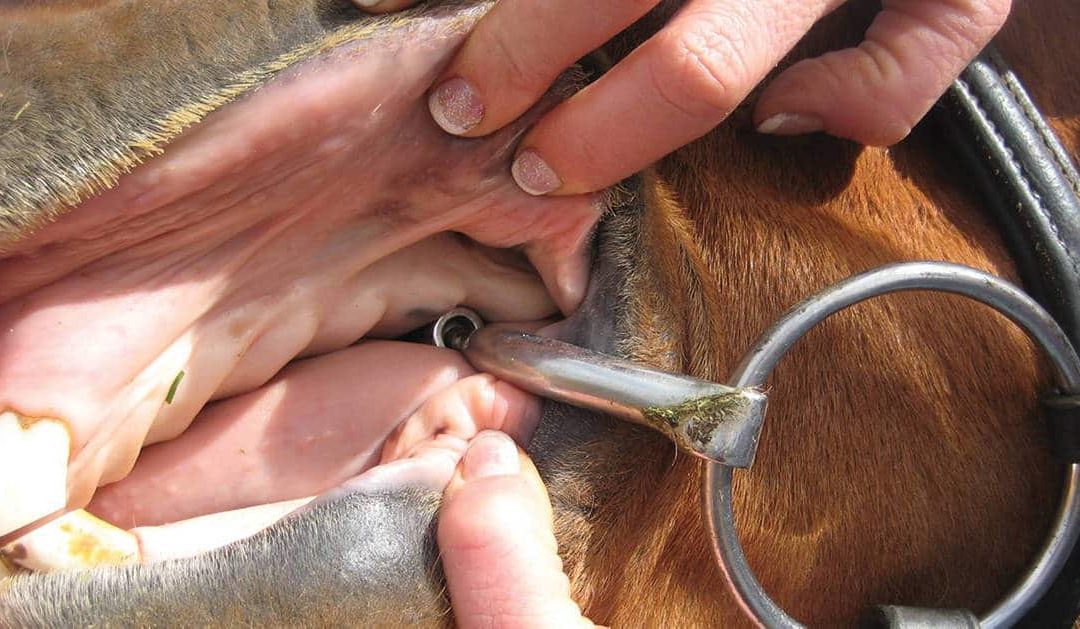
Horse Bits serve as a direct line of communication with your horse, allowing subtle yet effective signals to be conveyed. Depending on the design, Horse Bits apply pressure to various parts of the horse’s mouth, chin, or even the poll area. Knowing how different bit functions work can help you achieve clear communication without causing discomfort to your horse.
Single joint Horse Bits are among the most commonly used bit types and are often a go-to choice for beginner riders. A single joint bit has one joint in the middle, creating two arms that rest on either side of the horse’s mouth. When a rider pulls on the reins, the single joint creates a “nutcracker” effect, applying pressure to the bars of the mouth and the horse’s tongue. This style is particularly useful for clear, straightforward communication, as the single joint action allows for direct rein pressure that many horses easily understand.
However, because of the nutcracker action, single joint Horse Bits can pinch the horse’s mouth if used too harshly or if the bit doesn’t fit properly. They are best suited for horses with medium to low sensitivity and riders who have a gentle, controlled hand.
Double joint Horse Bits, as the name suggests, have two joints. This design allows for a softer action than single joint bits because it distributes the pressure more evenly across the horse’s mouth. These bits feature an additional piece in the center, such as a lozenge or French link, which lies flat on the horse’s tongue, reducing the nutcracker effect that is common with single joint bits.
This bit is often a good choice for horses with sensitive mouths or those that need a gentler touch, as it minimizes the potential for pinching. Many horses find double joint bits more comfortable, and they’re ideal for riders looking for clearer communication without as much pressure concentrated in one area.
Mullen mouth Horse Bits are solid, curved bars that apply even, steady pressure across the horse’s mouth, with no joints. This design means there’s no nutcracker effect, making them a much gentler option than single or double jointed bits. Mullen mouth bits are suitable for horses with sensitive mouths or those that don’t respond well to jointed bits.
The even pressure also encourages horses to accept the bit and maintain a relaxed position. However, mullen mouth bits don’t provide as much nuanced communication as jointed bits, which may be a drawback for more advanced riders needing subtle control.
The Weymouth bit is a type of curb bit used as part of a double bridle, typically in conjunction with a bradoon (a type of snaffle bit). This combination is prevalent in upper-level dressage and saddle seat riding. The Weymouth bit features a solid mouthpiece with shanks and a curb chain, applying pressure to the horse’s poll, chin groove, and mouth. Unlike the Pelham, the Weymouth bit is designed to be used with a separate bradoon, each bit having its own set of reins. This setup allows for refined communication, enabling the rider to apply nuanced aids.
Material Matters
The bit’s material also impacts comfort and effectiveness. Common options include:
- Stainless Steel: Durable and easy to maintain, stainless steel is a standard choice.
- Copper: This material encourages salivation, which can enhance comfort and make the bit feel softer to the horse.
- Synthetic Materials: Offering a softer feel, synthetic bits are a good choice for horses with sensitive mouths or beginners who may have less control.
Matching the Bit to Your Horse
Size it Up
An improperly sized bit can lead to discomfort, poor performance, or even behavioral issues. Learn to measure your horse’s mouth accurately, ensuring the bit sits comfortably and doesn’t pinch or rub against the cheeks.
Mouth Conformation Matters
Each horse has a unique mouth shape, so understanding your horse’s conformation can significantly influence bit selection. Horses with small mouths, thick tongues, or other dental peculiarities may require a specific bit shape or type to ensure comfort and effective communication.
Considering Personality and Training Level
A horse’s temperament, discipline, and training stage all play a role in choosing the right bit. Young or sensitive horses might benefit from gentler Horse Bits like a simple snaffle, while experienced horses or those in specialized disciplines might require more advanced options, such as a curb bit for Western riding.
Beyond the Bit: Effective Equine Communication
Using the Bit with Other Aids
The bit should work in harmony with your body language and other aids. Skilled riders use a combination of seat, legs, and rein cues for effective communication. The bit enhances these signals, adding subtle nuances, but over-reliance on the bit alone can lead to confusion and discomfort for the horse.
Troubleshooting Common Bitting Issues
If you notice issues such as head tossing, reluctance to move forward, or other signs of discomfort, these may indicate an ill-fitting or unsuitable bit. Our guide offers tips on resolving these issues, including possible adjustments or changes in bit type, to ensure your horse remains comfortable and responsive.
Knowing When to Seek Professional Help
If bitting problems persist, consult a qualified professional, such as a bit fitter or an experienced trainer. Their expertise can offer a fresh perspective and suggest personalized solutions, ensuring you’re making the best choice for your horse’s comfort and performance.
Frequently Asked Questions
- My horse seems uncomfortable in their current bit. What should I do?
This guide helps identify common bitting issues, such as rubbing, head tossing, or resistance, and when to consult a professional for a personalized assessment.
- What’s the difference between a snaffle bit and a curb bit?
Snaffle Horse Bits apply pressure evenly and are ideal for beginners or sensitive horses, while curb bits offer more leverage for advanced control, better suited to experienced riders.
- My horse has a sensitive mouth. What bit materials should I consider?
Softer materials like rubber or copper may be gentler on sensitive mouths, while synthetic Horse Bits can also provide a softer feel.
- How do I measure my horse for a bit?
Proper fit is crucial. This guide teaches you how to measure your horse’s mouth accurately, ensuring the bit isn’t too large or too small, as both can cause discomfort.
- I’m new to horse riding. How do I choose the right bit for my horse?
For beginners, it’s recommended to start with a milder bit, such as a simple snaffle, and progress as your skills and your horse’s training level advance.
Choosing the right bit may take time and experimentation, but it’s an important step toward building trust and achieving clear, respectful communication with your horse. Explore our website and blog for more equine care tips and insights to keep you informed and connected.
We are the wholesale manufacturer of all types of rider wear and rider accessories as well as horse tack apparel and accessories in wholesale with fully customization options. We are also dealing with Pet apparel and accessories.
Contact Our Experts
To Get Free Consultation or To Get Your Customized Order
Stay connected with us on social media for the latest updates and Reviews
Follow us for more insights and special offers….
by admin | Mar 23, 2023 | blog
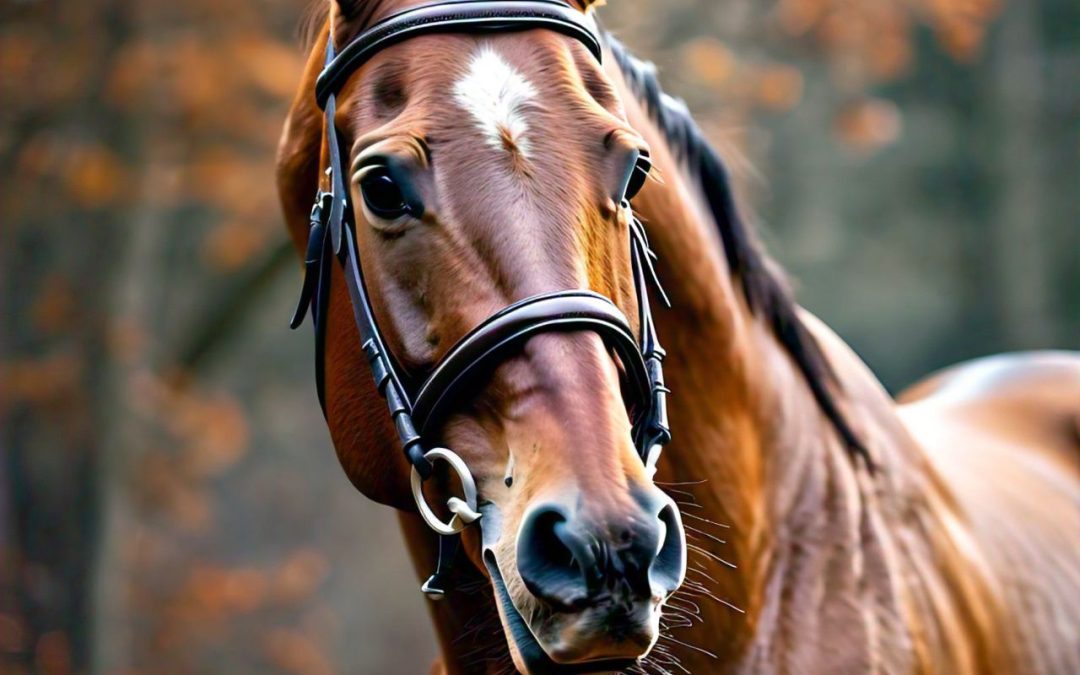
Various Types of Horse Bits and Equestrian Equipment
- Baucher Bits: A type of snaffle Horse bit that applies pressure to the poll, causing the horse to lower its head and flex at the poll. Baucher bits are commonly used for dressage and jumping.
- Baroque Bit: Baroque Horse Bits are a type of equestrian equipment used in horseback riding that feature ornate designs inspired by the Baroque period of art and design. There are several different categories of horse baroque bits, each with its own unique design features and functions.
- Bevel Bits: A type of snaffle Horse bit with a raised mouthpiece and a bit ring that allows for two positions of rein attachment. Bevel bits are commonly used in show jumping and eventing.
- Bit Guards: Rubber or silicone accessories that can be placed over the bit to protect the horse’s lips and cheeks from chafing.
- Bradoon Bits: A type of snaffle Horse bit used in dressage that is thinner than a regular snaffle horse bit and is designed to be used in conjunction with a Weymouth bit.
- Broken 2 Ring Gag Bits: A type of gag bit with two rings, one for the cheekpiece and one for the reins, and a broken mouthpiece.
- Broken Bits: Bits with a broken or jointed mouthpiece that are commonly used in snaffle bits.
- Butterfly Bits: A type of snaffle horse bit with a curved mouthpiece that sits comfortably on the horse’s tongue and distributes pressure evenly.
- Cavesson Bits: A type of bitless bridle that applies pressure to the horse’s nose to control its movements.
- Chifney Bits: A type of bitless bridle that consists of a single ring that is attached to the halter or bridle and allows for control of the horse’s head.
- Classic Horse Bits: Basic snaffle horse bits that are commonly used for everyday riding and training.
- Copper Bits: Bits with a copper mouthpiece that encourage salivation and can help with bit acceptance.
- Curb Bits: Bits that apply pressure to the horse’s poll, chin, and mouth, and are commonly used in -Western riding. They are also called antique horse bits.
- Curb Chains for Horse Bits: Accessories that are attached to the curb bit and provide additional pressure to the horse’s chin and mouth.
- Custom Driving Carriage Bits: Bits specifically designed for driving horses and carriages.
- D Ring Bits: Snaffle horse bits with a D-shaped ring that prevents the bit from sliding through the horse’s mouth.
- Double Jointed Bits: Bits with a jointed mouthpiece that reduce pressure on the horse’s tongue.
- Draft Horse Bits: These bits are designed specifically for larger breeds of horses, such as draft horses. They are often made of thicker materials and have larger rings or cheekpieces to accommodate the horse’s size.
- Driving Bits: These bits are used in harness driving and are designed to be used with a driving bridle. They typically have long shanks and are used to communicate with the horse while driving.
- Dutch Gag Bits: Also known as a Pessoa or Continental Gag, these bits have multiple rings to provide various levels of leverage. They can be used with or without a second rein and are often used in show jumping or eventing.
- Eggbutt Bits: These bits have a flat, round ring on each side of the mouthpiece to prevent pinching and to provide a stable contact with the horse’s mouth.
- Elbow Bits: These bits have an angled mouthpiece that applies pressure to the horse’s bars and tongue, and can be used for horses with a low palate.
- Elevator Bits: Also known as a Kimblewick or Weymouth and Bradoon, these bits have a short shank and two reins, with one rein applying direct pressure and the other applying leverage. They are often used in dressage.
- English Bits: This is a broad term that encompasses a wide range of bits used in English riding disciplines, including dressage, show jumping, and eventing.
- Flat Ring Bits: These bits have a flat ring on each side of the mouthpiece and are designed to provide a stable contact with the horse’s mouth.
- French Bits: These bits have a jointed mouthpiece and can provide varying degrees of leverage depending on the design.
- Full Cheek Bits: These bits have long cheekpieces that extend beyond the horse’s mouth and can help to prevent the bit from sliding in the horse’s mouth.
- Gag Bits: These bits have a sliding cheekpiece that can provide varying levels of leverage depending on the design. They are often used in eventing or cross-country jumping.
- Hackamore Shanks: These are the long metal bars that extend from a hackamore noseband and are used to attach reins. They provide leverage and are used to communicate with the horse without using a bit.
- Hackamores: These are bitless bridles that use pressure on the nose and/or chin to communicate with the horse. They are often used for horses with sensitive mouths or in certain riding disciplines such as western riding.
- Half Cheek Bits: These bits have a shorter cheekpiece than full cheek bits, but still provide some stability in the horse’s mouth.
- Hungarian Lace Bit: This type of bit features a curved mouthpiece with a decorative overlay of lace-like patterns. It is often used in dressage competitions and is designed to provide precise communication between the rider and horse.
- Kimblewick Bits: Kimblewick bits have a curved mouthpiece with a port that provides tongue relief. They also have a D-shaped cheekpiece that can be adjusted to create different levels of leverage. They are commonly used in English riding disciplines such as show jumping and eventing.
- Liverpool Bits: These bits have a straight or curved mouthpiece and two or three slots on each side of the cheekpiece for the reins to attach. The slots allow for adjustable levels of leverage, making them suitable for both jumping and driving.
- Military Bits: Military bits typically have a jointed mouthpiece and a cheekpiece with a shank that can be adjusted to create different levels of leverage. They were originally designed for use in cavalry units, but are now commonly used in show jumping and dressage.
- Ornamented Portuguese Bit: This type of bit features an ornate design with intricate detailing on the cheekpiece and mouthpiece. It is often used in traditional Portuguese equestrian events such as bullfighting and dressage.
- Pelham Bits: Pelham bits have a jointed mouthpiece and two sets of reins, one for the snaffle ring and one for the shank. They can be used with varying degrees of leverage and are popular in English riding disciplines such as show jumping and hunting.
- Pessoa Bits: Pessoa bits have a curved mouthpiece with a port that provides tongue relief. They also have a fixed cheekpiece that creates a slight amount of leverage. They are commonly used in dressage and show jumping.
- Ring Bits: These bits have a jointed or solid mouthpiece and a simple, circular cheekpiece. They are suitable for horses with sensitive mouths and are commonly used in dressage and show jumping.
- Shoe Horse Bits: These bits have a straight mouthpiece and a cheekpiece that is designed to look like a horseshoe. They are often used in Western riding disciplines and can be used with varying degrees of leverage.
- Snaffle Bits: Snaffle Horse bits are one of the most common types of bits used in horse riding. They work by applying direct pressure to the horse’s mouth and are designed to be gentle and mild. Snaffle Horse bits have a straight or jointed mouthpiece, which can be made of metal, rubber, plastic, or leather. They can also have different cheekpieces, such as loose ring, eggbutt, or D-ring.
- Spanish Bits: Spanish bits are a type of curb bit that is commonly used in the Western riding style. They have long shanks that apply leverage to the horse’s mouth, chin, and poll. The mouthpiece can be either solid or jointed, and there are usually decorative chains or bars that hang from the shanks. Spanish bits are designed for horses that are trained to respond to light rein cues.
- Twisted Bits: Twisted bits have a mouthpiece that is made up of two or more twisted metal pieces. They are designed to be more severe than snaffle horse bits and can be uncomfortable or painful for the horse if used improperly. Twisted bits should only be used by experienced riders who have a light touch and can communicate clearly with their horse.
- Universal Bits: A Universal Bit is a type of bit that combines the features of a snaffle horse bit and a curb bit. It has a single jointed mouthpiece and shanks that provide leverage. It is designed to give riders more control over their horse, particularly when riding in a jumping or cross-country event.
- Western Bits: Western bits are designed specifically for use in Western riding disciplines. They can vary widely in terms of design and materials used, but generally have shanks that provide leverage and a wider mouthpiece than English bits. Some common types of Western bits include the Tom Thumb, the Argentine, and the Billy Allen.
- Weymouth Bits: Weymouth bits are a type of double bridle used in dressage. They consist of a bradoon bit and a Weymouth bit, both of which are used simultaneously to give the rider greater control over the horse. The Weymouth bit typically has a straight mouthpiece and shanks that provide leverage.
- Wilkie Bits: A Wilkie Bit is a type of bit that is similar to a single-jointed snaffle horse bit, but has a slightly curved mouthpiece. It is often used in show jumping and eventing to provide greater control over the horse.
- Wilson Driving Snaffle Bit Double Ring: The Wilson Driving Snaffle horse Bit Double Ring is a type of bit used in driving. It features two rings, which allow the reins to be attached in different positions for greater control over the horse. The mouthpiece is typically a simple snaffle horse bit with a single joint.
by admin | Mar 21, 2023 | blog
Horse Show Accessories
When preparing for a horse show, there are various Horse Show Accessories that you may need for both you and your horse. These accessories are designed to ensure safety, comfort, and performance during the competition. Or we can say it as Introduction Horse shows are competitive events where horses and riders compete against each other to showcase their skills and abilities. In order to participate in a horse show, riders need to have the right equipment and accessories that are specifically designed for these events
Here are some of the most important horse show accessories:
Saddles Horse Show Accessories : The Backbone of Your Ride
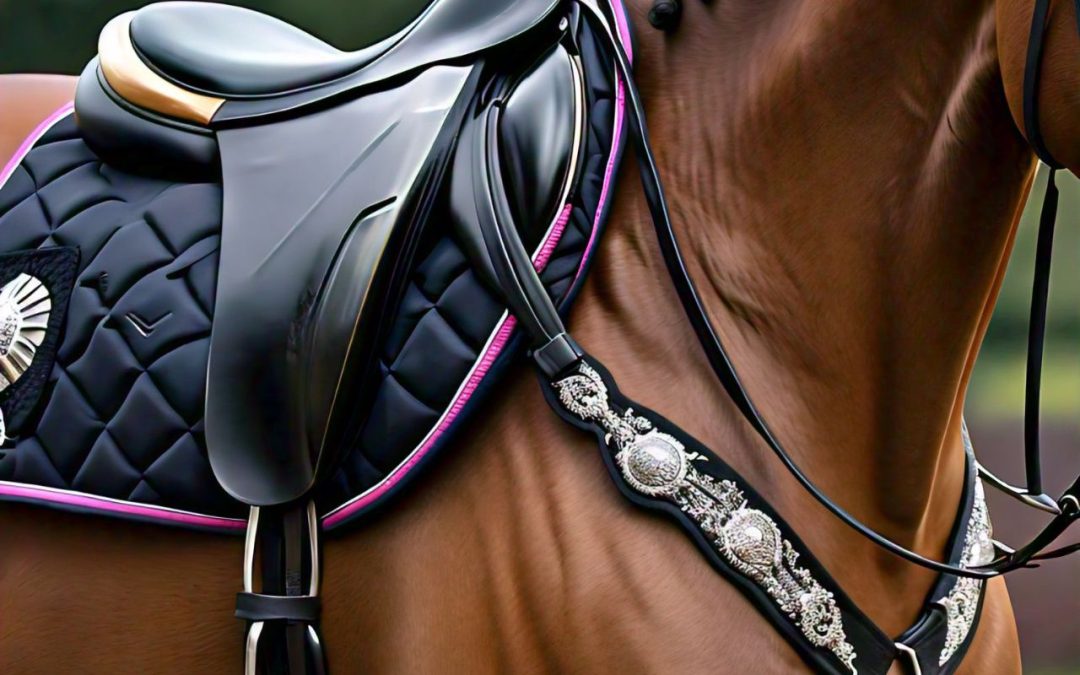
A saddle is an essential accessory that provides support and stability for the rider while riding a horse. It is important to choose a saddle that fits the horse properly and is suitable for the specific riding style, whether it’s Western or English. The saddle should also be comfortable for the rider and allow them to maintain a balanced position while riding.
Or we can say Saddle The saddle is one of the most important accessories used in horse shows. It is a piece of equipment that is placed on the horse’s back to provide a comfortable and secure seat for the rider. There are different types of saddles available, including Western and English saddles, each designed to meet the specific needs of different riding styles.
Bridle Horse Show Accessories : Communicate with Your Horse
Bridle The bridle is another important accessory that is used to control the horse. It includes a headstall, reins, and a bit, which are used to communicate with the horse and guide it in the desired direction. The bit is the part of the bridle that is placed in the horse’s mouth and can vary in design and severity depending on the horse’s level of training and the rider’s preferences.
OR A bridle is another important accessory that is used to communicate with the horse and guide it in the desired direction. A bridle typically includes a headstall, reins, and a bit. The headstall goes over the horse’s head and includes a noseband and a browband. The reins are used to control the horse’s movements, while the bit goes in the horse’s mouth and allows the rider to communicate with the horse through pressure and release.
Grooming Kit: Horse Show Accessories Keep Your Horse Clean and Presentable
A grooming kit is a set of tools that are used to clean and maintain the horse’s coat, mane, and tail. Keeping the horse clean and well-groomed is important for competitions. A grooming kit typically includes a variety of brushes, combs, and other tools, such as a hoof pick, which is used to clean the horse’s hooves.
A grooming kit is a collection of tools used to keep the horse clean and well-groomed. These tools include brushes, combs, sponges, and sprays. Grooming is an essential part of preparing for a horse show as it keeps the horse’s coat shiny and healthy and prevents skin irritations Show Horse Accessories
Riding Boots Horse Show Accessories
Riding boots are specially designed boots that provide support and protection for the rider’s feet while riding a horse. They come in different styles and materials, including leather and synthetic materials. Some boots are designed specifically for certain types of riding, such as dressage or jumping.
A riding helmet is an essential safety accessory that is worn by the rider to protect their head in case of a fall or accident. It is important to choose a helmet that fits properly and meets the safety standards. Helmets are available in a variety of styles and designs to suit different riding disciplines and Show Horse Accessories.
Show clothes are a set of formal attire that is worn by the rider during competitions. This may include a show jacket, breeches, and a show shirt that are designed to meet the specific requirements of the competition. Riders may also wear gloves and a stock tie or a bow tie.
Horse Boots Horse Show Accessories
Horse boots are used to protect the horse’s legs from injuries during jumping or other activities. There are different types of horse boots available, including front boots, hind boots, and bell boots. Front boots are worn on the horse’s front legs, while hind boots are worn on the horse’s hind legs. Bell boots are worn around the horse’s pasterns to protect them from overreaching and striking themselves.
A martingale is a piece of equipment that is used to control the horse’s head carriage. It includes a strap that attaches to the girth and another strap that attaches to the horse’s reins. Martingales come in different types, including running martingales and standing martingales, and are used in different riding disciplines.
A breastplate is a piece of equipment that is used to keep the saddle in place and prevent it from slipping backward. It includes a strap that goes around the horse’s chest and attaches to the saddle. Breastplates are often used in jumping and eventing to keep the saddle secure during jumps.
A saddle pad is a piece of cloth that is placed between the saddle and the horse’s back to provide cushioning and prevent chafing. There are different types of saddle pads available, including
We are the wholesale manufacturer of all types of rider wear and rider accessories as well as horse tack apparel and accessories in wholesale with fully customization options. We are also dealing with Pet apparel and accessories.
Contact Our Experts
To Get Free Consultation or To Get Your Customized Order
Stay connected with us on social media for the latest updates and Reviews
Follow us for more insights and special offers….
by admin | Mar 21, 2023 | blog
Wholesale Equestrian Miniature Tack With Stylo Clothing
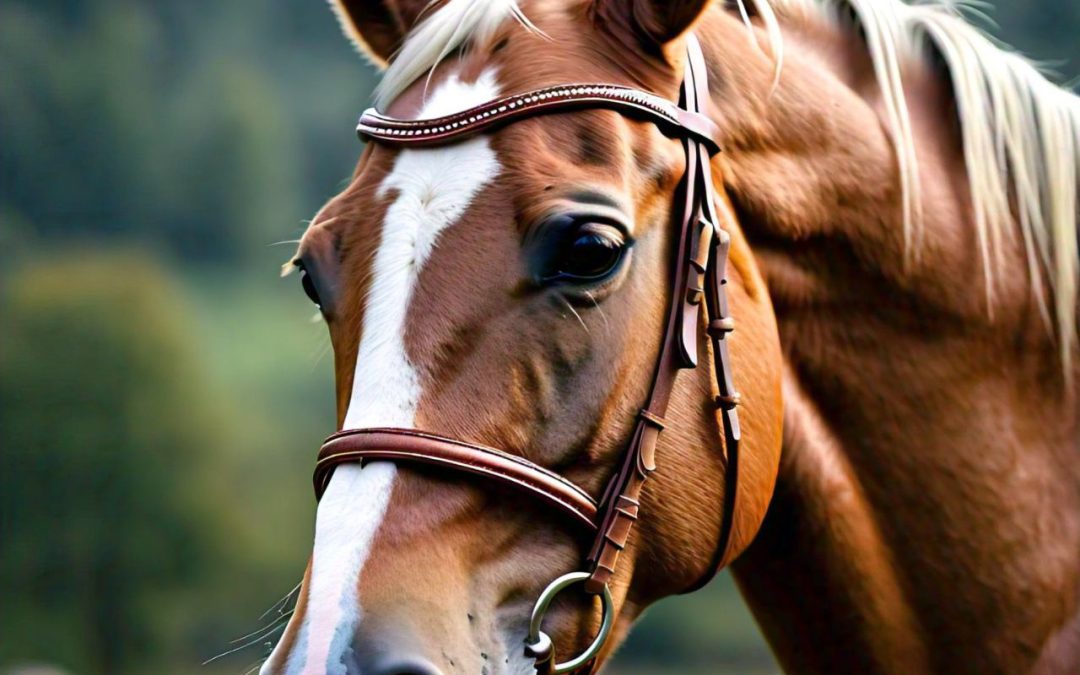
Wholesale Stylo Clothing offers equestrian miniature tack, which refers to small-sized equipment and Horse Show Accessories, typically for display or decorative purposes. We also offer custom made miniature tack work in bulk. This type of tack is often designed to mimic the look and function of full-sized equestrian tack, but in a smaller scale suitable for miniature horses, ponies, or models.
The categories of equestrian miniature tack may vary depending on the specific supplier or manufacturer, but common categories include miniature saddles, bridles, halters, reins, blankets, fly veils and other accessories. These categories aim to provide miniature horse owners or collectors with a wide range of equipment and accessories that fit their smaller horses or models.
Here are some subcategories that may be found within the main categories of equestrian miniature tack:
- Miniature Saddles: English Saddles, Western Saddles, and Driving Saddles
- Miniature Bridles: Snaffle Bridles, Double Bridles, and Bitless bridles
- Miniature Halters: Leather Halters, Rope Halters and Nylon Halters
- Miniature Reins: Leather Reins and Synthetic Reins
- Miniature Blankets: Stable Blankets, Turnout Blankets, and Fly Sheets
- Miniature Fly Veils: Rhinestone Fly Veils, Double Cord Fly Veils and Crystal Cord Fly Veils.
- Miniature Accessories: Riding Crops, Horse Boots, and Grooming Kits
These subcategories aim to provide miniature horse owners or collectors with more specific options when it comes to choosing equestrian miniature tack that fits their needs and preferences. miniature equestrian tack, miniature horse tack, miniature saddles, miniature bridles, miniature halters, miniature reins, miniature blankets, miniature fly veils, miniature accessories, miniature horse equipment, miniature horse supplies, miniature horse riding equipment, miniature horse show equipment, miniature horse show supplies, miniature horse show accessories. All items are available with Stylo Clothing Wholesale.
More Details for Equestrian miniature tack
“Equestrian miniature tack” refers to small-sized equipment and accessories that are used for horses, typically for display or decorative purposes. This type of tack is often designed to mimic the look and function of full-sized equestrian tack, but in a smaller scale suitable for miniature horses, ponies, or models. Equestrian miniature tack can include items such as miniature saddles, bridles, halters, reins, blankets, and other accessories, and is often used in model horse showing, collecting, or as decorative items.
Categories Of Equestrian Miniature Tack
The categories of equestrian miniature tack may vary depending on the specific supplier or manufacturer, but here are some common categories that you may find:
- Equestrian
- Miniature
- Tack
- Horse equipment
- Horse accessories
- Model horse showing
- Collecting
- Decorative items
- Saddles
- Bridles
- Halters
- Reins
- Blankets
- Accessories
- English
- Western
- Dressage
- Snaffle
- Double
- Bitless
- Leather
- Nylon
- Synthetic materials
- Riding crops
- Horse boots
- Grooming kits
- Stable blankets
- Turnout blankets
- Fly sheets.
- Miniature saddles: This category includes miniature versions of different types of horse saddles, such as English, Western, or Dressage, designed for miniature horses or models.
- Miniature bridles: This category includes miniature versions of different types of horse bridles, such as snaffle, double, or bitless bridles, designed for miniature horses or models.
- Miniature halters: This category includes miniature versions of horse halters, often made of leather or nylon, designed to fit miniature horses or models.
- Miniature reins: This category includes miniature versions of horse reins, often made of leather or synthetic materials, designed for miniature horses or models.
- Miniature blankets: This category includes miniature versions of horse blankets or sheets, often made of various materials such as fleece or nylon, designed to fit miniature horses or models.
- Miniature accessories: This category includes various miniature equestrian accessories such as miniature riding crops, miniature horse boots, miniature hay nets, miniature grooming kits, and more.
Overall, the categories of equestrian miniature tack aim to provide miniature horse owners or collectors with a wide range of equipment and accessories that fit their smaller horses or models.
Sub Categories of Equestrian Horse Miniature Tack
Certainly, here are some subcategories that may be found within the main categories of equestrian miniature tack:
- Miniature saddles:
- English saddles: This subcategory includes miniature versions of different types of English saddles, such as dressage saddles, jumping saddles, or all-purpose saddles, designed for miniature horses or models.
- Western saddles: This subcategory includes miniature versions of different types of Western saddles, such as barrel racing saddles, trail saddles, or show saddles, designed for miniature horses or models.
- Driving saddles: This subcategory includes miniature versions of driving saddles, designed for miniature horses or models that are used for driving or carriage work.
- Miniature bridles:
- Snaffle bridles: This subcategory includes miniature versions of different types of snaffle bridles, such as plain snaffle, eggbutt snaffle, or D-ring snaffle, designed for miniature horses or models.
- Double bridles: This subcategory includes miniature versions of different types of double bridles, such as Weymouth bridles, designed for miniature horses or models.
- Bitless bridles: This subcategory includes miniature versions of bitless bridles, such as hackamores or sidepulls, designed for miniature horses or models that prefer to go without a bit.
- Miniature halters:
- Leather halters: This subcategory includes miniature leather halters in various colors and styles, designed to fit miniature horses or models.
- Nylon halters: This subcategory includes miniature nylon halters in various colors and styles, designed to fit miniature horses or models.
- Miniature reins:
- Leather reins: This subcategory includes miniature leather reins in various colors and styles, designed to fit miniature horses or models.
- Synthetic reins: This subcategory includes miniature reins made of synthetic materials such as biothane or rubber, designed to fit miniature horses or models.
- Miniature blankets:
- Stable blankets: This subcategory includes miniature stable blankets, designed to keep miniature horses or models warm and comfortable indoors.
- Turnout blankets: This subcategory includes miniature turnout blankets, designed to protect miniature horses or models from the elements when turned out in the field.
- Fly sheets: This subcategory includes miniature fly sheets, designed to protect miniature horses or models from flies and other insects during the summer months.
- Miniature accessories:
- Riding crops: This subcategory includes miniature riding crops or whips, designed for miniature horses or models used for showing or training.
- Horse boots: This subcategory includes miniature horse boots such as splint boots or bell boots, designed to protect miniature horses or models during exercise or turnout.
- Grooming kits: This subcategory includes miniature grooming kits with brushes, combs, and other grooming tools, designed to keep miniature horses or models looking their best.
These subcategories aim to provide miniature horse owners or collectors with more specific options when it comes to choosing equestrian miniature tack that fits their needs and preferences. Moreover, custom made Horse Farrier Tools are also available in wholesale.
We are the wholesale manufacturer of all types of rider wear and rider accessories as well as horse tack apparel and accessories in wholesale with fully customization options. We are also dealing with Pet apparel and accessories.
Contact Our Experts
To Get Free Consultation or To Get Your Customized Order
Stay connected with us on social media for the latest updates and Reviews
Follow us for more insights and special offers….

by admin | Mar 11, 2023 | blog
Different Types of Horse Sizes
There are following main types of Horse Sizes:
1. Miniature Horses
Height: Under 34 inches at the withers
Typical Uses: Pets, driving, and shows
Miniature horses size are the smallest category, typically measuring less than 34 inches at the withers. Originally bred to be companion animals, these tiny equines are often kept as pets or used for recreational driving, where they pull small carts. Despite their size, miniature horses are spirited and trainable, making them popular in show circuits where they compete in halter, driving, and obstacle classes. Their small stature and gentle temperament also make them ideal therapy animals in some cases.
All Breeds of Horse Sizes Equestrian Equipment are Available.
2. Ponies
Height: 11 to 14.2 hands (44 to 58 inches) at the withers
Typical Uses: Children’s riding, show jumping, dressage
Ponies horse sizes are larger than miniature horses but shorter than standard horse breeds. Generally standing between 11 and 14.2 hands at the withers, ponies are known for their sturdy builds and often have thick manes and tails. They are especially popular for children’s riding lessons and youth competitions due to their manageable size and gentle disposition. Ponies excel in various equestrian disciplines, such as show jumping, dressage, and eventing, and they are a favorite for both beginner riders and experienced young competitors. Many pony breeds, like the Welsh and Shetland, are also known for their hardiness and adaptability to various climates.
All Breeds of Horse Sizes Equestrian Equipment Available.
3. Cobs
Height: 14.2 to 15.2 hands (58 to 62 inches) at the withers
Typical Uses: Riding, driving, fox hunting, trail riding
Cobs horse sizes are a type of horse, rather than a breed, characterized by their compact, muscular build. They are typically between 14.2 and 15.2 hands tall and are prized for their strength, stability, and endurance. Cobs are commonly used in riding and driving, and they are particularly popular in fox hunting and trail riding due to their steady, reliable nature. With a strong, stocky build, cobs are versatile and can handle a variety of terrains and activities, making them suitable for both novice and experienced riders. Breeds such as the Irish Cob or Gypsy Vanner embody the traditional cob characteristics of strength, agility, and a calm temperament.
All Breeds of Horse Sizes Equestrian Equipment Available.
4. Warmbloods
Height: 15.2 to 17 hands (62 to 68 inches) at the withers
Typical Uses: Dressage, show jumping, eventing
Warmbloods horse sizes are a group of horse breeds originally developed in Europe, designed for use in military campaigns and later adapted for equestrian sports. With a height ranging from 15.2 to 17 hands, warmbloods are known for their athleticism, agility, and refined conformation. Today, they are among the most popular horses in competitive dressage, show jumping, and eventing due to their strength, grace, and responsiveness. Warmblood breeds, such as the Dutch Warmblood, Hanoverian, and Holsteiner, are selectively bred for equestrian performance, with an emphasis on good temperament and trainability.
All Breeds of Horse Sizes Equestrian Equipment Available.
5. Thoroughbreds
Height: 15.2 to 17 hands (62 to 68 inches) at the withers
Typical Uses: Racing, eventing, show jumping
Thoroughbreds horse sizes are a distinct breed known for their speed, athleticism, and competitive spirit. Standing between 15.2 and 17 hands, they are the premier breed in horse racing but are also used in other equestrian sports like eventing, show jumping, and polo. Thoroughbreds are known for their lean, muscular build and high energy, which makes them exceptionally fast and agile. They are also valued for their versatility and are frequently retrained for other equestrian activities after their racing careers end. Thoroughbreds bring a spirited drive to any discipline they participate in, making them popular among riders looking for a challenging and rewarding mount.
All Breeds of Horse Sizes Equestrian Equipment Available.
6. Draft Horses
Height: 16 to 19 hands (64 to 76 inches) at the withers
Typical Uses: Heavy work, pulling, driving competitions
Draft horse sizes are the giants of the horse world, standing between 16 and 19 hands tall and built with massive strength and endurance. Historically used for farm work like plowing and pulling heavy loads, draft breeds such as the Clydesdale, Percheron, and Shire are known for their powerful, muscular frames and calm dispositions. Today, draft horses are still employed in agricultural work, but they are also popular in pulling competitions and driving events. Their steady nature makes them well-suited for ceremonial uses, parades, and even therapy work, as their gentle demeanor can be comforting and therapeutic for people of all ages.
All Breeds of Horse Sizes Equestrian Equipment Available.
Beyond Size: Other Factors to Consider
While height is a primary way to categorize horses, it’s not the only consideration when determining a horse’s suitability for various activities. Other essential factors include:
- Conformation: The horse’s body structure affects balance, agility, and health, influencing what types of work or sports they are suited for.
- Temperament: Horses with calm, steady temperaments are better for beginners, while more spirited horses may appeal to experienced riders.
- Training: Well-trained horses are versatile and capable, regardless of their size, and training often shapes a horse’s suitability for specific disciplines.
Each horse category offers unique advantages, and understanding the characteristics associated with different sizes can help riders and owners choose the right horse for their needs. Whether you’re looking for a compact pony for your child, a swift Thoroughbred for racing, or a powerful draft horse for heavy work, there’s a perfect fit among the various horse sizes.
We are the wholesale manufacturer of all types of rider wear and rider accessories as well as horse tack apparel and accessories in wholesale with fully customization options. We are also dealing with Pet apparel and accessories.
Contact Our Experts
To Get Free Consultation or To Get Your Customized Order
Stay connected with us on social media for the latest updates and Reviews
Follow us for more insights and special offers….
by admin | Mar 11, 2023 | blog
Exploring Types of Horse Breeds: Thoroughbred, Quarter Horse, Arabian, and More
Horses are incredible animals, beloved for their beauty, power, and versatility. They have been domesticated for thousands of years and are used today in a wide range of activities, from racing and riding to working and competitive sports. With over 350 different breeds worldwide, each horse breed has unique characteristics and strengths. Here, we’ll delve into some of the most popular types of Horse Breeds: Thoroughbred, Quarter Horse, Arabian, Paint Horse, Appaloosa, Warmblood, and Draft Horse.
Equestrian Equipment for all types of horse are available in wholesale.
Thoroughbred
The Thoroughbred is one of the most recognizable types of horse breeds, particularly renowned for its speed and stamina. Originating from England, Thoroughbreds were primarily bred for racing, which remains one of their most common uses today. These horses have a muscular build, long legs, and a fine coat, giving them a graceful and elegant appearance. Alongside racing, Thoroughbreds excel in show jumping, eventing, and dressage, showcasing their agility and intelligence. Known for their spirited personality, Thoroughbreds require regular exercise and consistent training, making them suitable for experienced riders.
Equestrian Equipment for all types of horse are available in wholesale.
Quarter Horse
The American Quarter Horse is one of the most popular types of horse breeds in the United States, known for its versatility, strength, and speed over short distances. Originally bred for ranch work and sprint racing, Quarter Horses are commonly seen in rodeo events like barrel racing and calf roping. Their muscular build, powerful hindquarters, and calm disposition make them ideal for various equestrian activities. Quarter Horses are also great trail riding companions due to their steady and easy-going temperament. Whether used for Western riding, working on a ranch, or leisure riding, the Quarter Horse is reliable and adaptable.
Equestrian Equipment for all types of horse are available in wholesale.
Arabian
Arabians are among the oldest and most iconic types of horse breeds, with roots tracing back thousands of years to the Arabian Peninsula. Known for their beauty, endurance, and spirited personality, Arabian horses have distinct features, such as a refined head with a dished profile, large nostrils, and a high tail carriage. These qualities contribute to their elegance and make them favorites in show rings. Arabian horses excel in endurance riding due to their ability to cover long distances without tiring, and they are also well-suited for activities like jumping, dressage, and competitive trail riding. Their intelligence and bond with humans make Arabians highly prized among horse enthusiasts.
Equestrian Equipment for all types of horse are available in wholesale.
Paint Horse
The Paint Horse is instantly recognizable by its unique coat pattern, featuring large patches of white combined with other colors. Originating in North America, Paint Horses are known for their friendly and gentle nature, making them ideal for beginner riders and children. Paint Horses are often used in Western disciplines, including trail riding, ranch work, and Western pleasure riding. Their muscular build, strong hindquarters, and steady temperament allow them to excel in a variety of roles, from casual riding to competition. Their distinct patterns also make them a favorite among riders who appreciate visually striking horses.
Equestrian Equipment for all types of horse are available in wholesale.
Appaloosa
Appaloosas are another American breed, easily identified by their distinctive spotted or striped coat patterns. Known for their versatility, Appaloosas are capable of excelling in many disciplines, including trail riding, show jumping, and dressage. With a history that ties them to Native American cultures, particularly the Nez Perce tribe, Appaloosas are highly regarded for their strength, endurance, and adaptability. Their calm disposition and intelligence make them a favorite for ranch work and recreational riding alike. Appaloosas have a range of body types, depending on their bloodlines, which further adds to their versatility in various equestrian activities.
Equestrian Equipment for all types of horse are available in wholesale.
Warmblood
Warmbloods are a group of horse breeds originating in Europe, bred for sport horse competitions like dressage, show jumping, and eventing. These horses are known for their athleticism, intelligence, and calm temperament, making them ideal for competitive and performance settings. Popular Warmblood breeds include the Dutch Warmblood, Hanoverian, and Oldenburg, all of which are selectively bred to emphasize agility, power, and a balanced disposition. Warmbloods generally have a muscular build with long legs and a refined head. Their easy-going nature and versatility make them popular choices in international equestrian sports.
Equestrian Equipment for all types of horse are available in wholesale.
Draft Horse
Draft Horses are a type of horse breed developed for heavy labor, such as plowing fields and pulling carts. Known for their immense strength and calm temperament, Draft Horses are some of the largest and most muscular breeds, with broad chests and powerful hindquarters. Common Draft Horse breeds include the Clydesdale, Shire, and Percheron. Despite their size, they are known for their gentle nature and are often used in parades, shows, and pulling competitions. Draft Horses have also become popular for therapeutic riding due to their patient and docile demeanor. Their strong build and endurance make them ideal for heavy work, as well as ceremonial and display purposes.
Equestrian Equipment for all types of horse are available in wholesale.
Why Understanding Horse Breeds Matters
Each horse breed has unique traits that make it suited for specific activities and rider preferences. Thoroughbreds, for instance, are perfect for those interested in racing and eventing, while Quarter Horses are popular in Western sports and trail riding. Arabian horses attract endurance riders and those drawn to their beauty, while Paint Horses offer a calm temperament ideal for beginners. Appaloosas provide versatility for different disciplines, Warmbloods are champions in equestrian sports, and Draft Horses bring power to labor-intensive tasks.
Choosing the Right Breed for Your Needs
When selecting a horse, it’s essential to consider not only the breed’s physical characteristics but also its temperament and suitability for your intended activities. Whether you’re looking for a racing partner, a companion for leisurely trail rides, or a competitive show horse, understanding these popular breeds can help you make an informed decision. Stylo Clothing offers a range of customizable equestrian apparel and accessories to meet the unique needs of riders and their horses, ensuring you and your equine companion are prepared for any adventure.
Horses are exceptional animals with diverse abilities, each breed offering something unique. From the swift Thoroughbred to the gentle Draft Horse, there is a horse to match every purpose, personality, and passion.
Conclusion
In conclusion, these are just a few of the many breeds of horses that exist in the world. Each breed has its own unique characteristics and is suited for different activities. Whether you are a beginner rider or an experienced horse enthusiast, there is a breed of horse that will suit your needs. Moreover, we have guidelines about Horse Families and Horse Sizes.
We are the wholesale manufacturer of all types of rider wear and rider accessories as well as horse tack apparel and accessories in wholesale with fully customization options. We are also dealing with Pet apparel and accessories.
Contact Our Experts
To Get Free Consultation or To Get Your Customized Order
Stay connected with us on social media for the latest updates and Reviews
Follow us for more insights and special offers….
by admin | Mar 11, 2023 | blog
The Majestic and Noble Horse: A Look Into Their World and History
The horse, a majestic and noble animal, has been a cherished companion to humans for thousands of years. Intelligent, graceful, and powerful, horses have played vital roles in transportation, agriculture, warfare, and recreation. This article explores the fascinating characteristics of horse, their history, and the special bond they share with humans.
Understanding Horse: Characteristics and Nature
Horse belong to the family Equidae and are herbivores with unique physical and behavioral traits. They have long, narrow heads with large, expressive eyes that reflect their emotions and alertness. Their manes run down their necks, adding to their iconic appearance. Horses come in a spectrum of colors, including black, brown, chestnut, gray, and white, and often have distinctive markings such as stars on their foreheads or socks on their legs. Their height and build can vary widely, from small ponies to massive draft horse.
Known for their speed and agility, horse can run at speeds of up to 55 miles per hour. Their strong senses of hearing and smell help them detect danger and locate food or water, enhancing their survival instincts. Horse communicate through vocalizations like whinnies and neighs and use body language, including ear positioning, to convey their emotions and intentions to other horse. These communication methods are essential for building social bonds within herds.
Horses Through History: From Domestication to Partnership
Horses have held a crucial place in human history since their domestication around 4000 BC. They became indispensable for transportation, farming, and warfare, revolutionizing early societies. In ancient civilizations, horse enabled people to travel longer distances, creating new trade routes and facilitating cultural exchange. During the Middle Ages, horse were essential to knights and armies, carrying warriors into battle and helping shape the political and cultural landscapes of their times.
In addition to warfare, horse contributed to agricultural development. They were harnessed to pull plows and carts, making farming more efficient. As societies grew and developed, horse continued to be essential in trade, transportation, and industry, particularly before the advent of modern machinery. Today, the legacy of these partnerships remains strong, as horse continue to be beloved animals in modern culture.
The Modern Roles of Horses
Today, horses are primarily used for recreational purposes, including horse racing, show jumping, dressage, and trail riding. This racing is one of the most popular equestrian sports, showcases the speed and endurance of breeds like the Thoroughbred. Show jumping and dressage highlight the intelligence, agility, and training capabilities of breeds such as the Warmblood, which excel in these disciplines.
Horses are also used in therapeutic settings, with equine-assisted therapy becoming an effective treatment for individuals facing physical, mental, and emotional challenges. Equine therapy has been found beneficial for people with conditions like autism, PTSD, and anxiety, as it fosters emotional bonding, physical coordination, and self-confidence. Additionally, horses serve as companions for trail riding and other leisure activities, providing joy and companionship to riders of all ages.
In some rural parts of the world, horses are still used for transportation and farming, fulfilling roles that have become less common in urbanized areas. They remain essential in these regions for carrying goods, plowing fields, and traversing terrain that is difficult for modern vehicles.
The Commitment of Horse Ownership
Owning horse can be a profoundly rewarding experience, yet it demands significant commitment and responsibility. Horses require regular grooming, a balanced diet, and plenty of exercise to maintain their health and well-being. A balanced diet of hay, grains, and supplements tailored to a horse’s age, weight, and activity level ensures their nutritional needs are met. Regular exercise keeps them fit and helps prevent boredom and behavioral issues.
In addition to daily care, horses need access to fresh water and shelter to protect them from extreme weather conditions. Owners must be prepared for unexpected veterinary expenses, as horses can develop a variety of health issues, including colic, lameness, and respiratory problems. Preventive care, such as vaccinations, deworming, and dental check-ups, is essential to minimize the risk of illness and ensure that horses lead long, healthy lives.
Appreciating the Grace and Majesty of Horse
Horse are magnificent creatures that have earned their place in human hearts through their grace, strength, and intelligence. Their contributions to human civilization, from carrying soldiers into battle to helping children learn to ride, cannot be overstated. The beauty of horses extends beyond their physical appearance; it lies in their ability to bond with humans and the trust they place in us.
Whether you’re a horse owner or simply an admirer of these incredible animals, horse capture our imagination and stir our spirits. Their deep connection with people and their versatility make them one of the most cherished animals in history.
A Glimpse Into the Varied World of Horse
While this article has touched on the general traits and history of horse, it’s essential to remember the incredible diversity among breeds. Each breed has unique characteristics that make it suitable for different activities and environments. For instance, Thoroughbreds are known for their speed and agility in racing, while Warmbloods excel in competitive dressage and show jumping. Draft horse, with their immense strength, are ideal for heavy labor, while miniature horse, with their small stature and gentle nature, are popular as companion animals.
For more insights on the different types of horse and how they vary in size and purpose, Stylo Clothing offers comprehensive guidelines that explore the fascinating diversity within the equine world. These guidelines are invaluable for anyone looking to deepen their understanding of horse breed and their unique attributes.
In conclusion, horse are magnificent creatures that have been an integral part of human history for thousands of years. Their beauty, strength, and intelligence have captivated people around the world, and their importance in society cannot be overstated. Whether you own a horse or simply appreciate their grace and majesty, it is clear that horse will continue to capture our hearts for generations to come. Moreover, we have guideline about Types of Horses and their Sizes.
We are the wholesale manufacturer of all types of rider wear and rider accessories as well as horse tack apparel and accessories in wholesale with fully customization options. We are also dealing with Pet apparel and accessories.
Contact Our Experts
To Get Free Consultation or To Get Your Customized Order
Stay connected with us on social media for the latest updates and Reviews
Follow us for more insights and special offers….
